

Protecting Your Trees
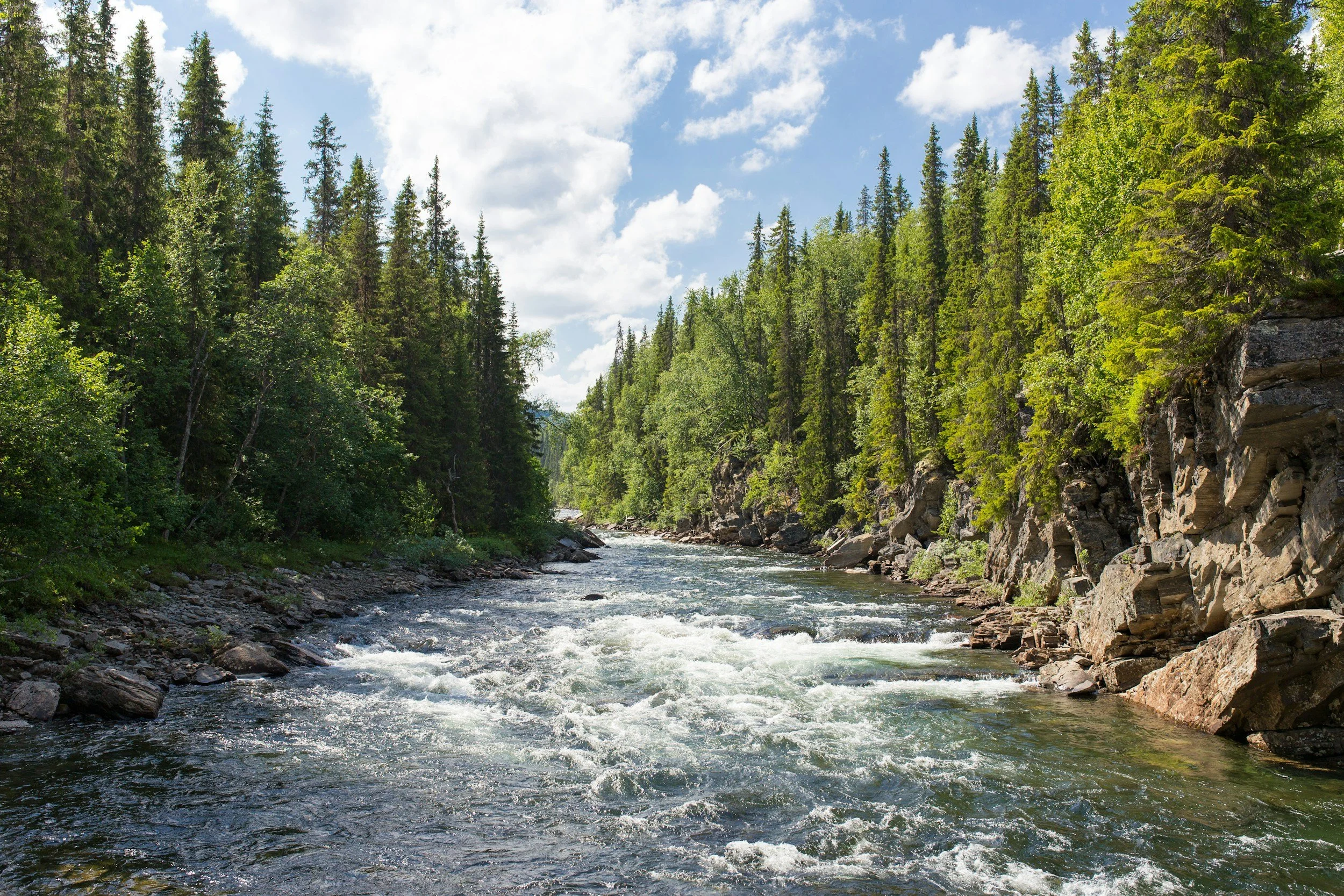
Preserving Our Forests
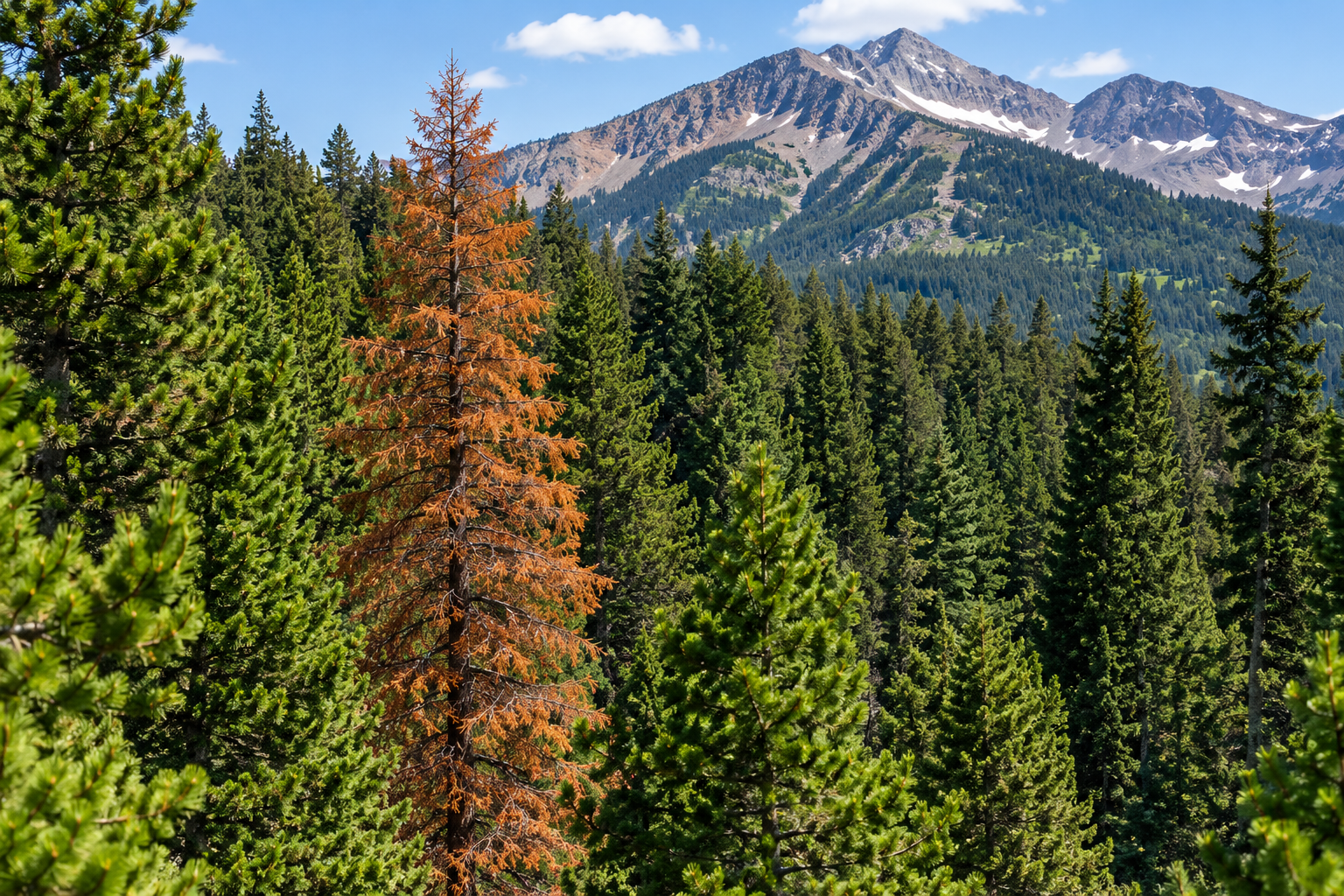
Regional drought conditions have created a thriving environment for pine and ash beetles all along the Colorado front range. These invasive insects are rapidly destroying our trees. Beetle kill is currently a huge concern as weather conditions are predicted to continue like this for decades to come. At Beetle Defense Pros, our expertise comes from an ultra-focused approach: specializing in tree injection as a targeted solution for protecting Colorado’s trees from damaging beetle populations. Rather than trying to be everything to everyone, we concentrate our knowledge, training, and resources on one specialized method of tree protection. This focus allows us to understand the science behind tree injections, proper application techniques, and the unique challenges facing Colorado’s forests and landscapes. As beetle pressures continue to threaten valuable trees across the state, Beetle Defense Pros is committed to providing a precise, preventative, and environmentally conscious approach to help property owners protect the trees they value most.
Why Pursue a Tree Injection Solution?
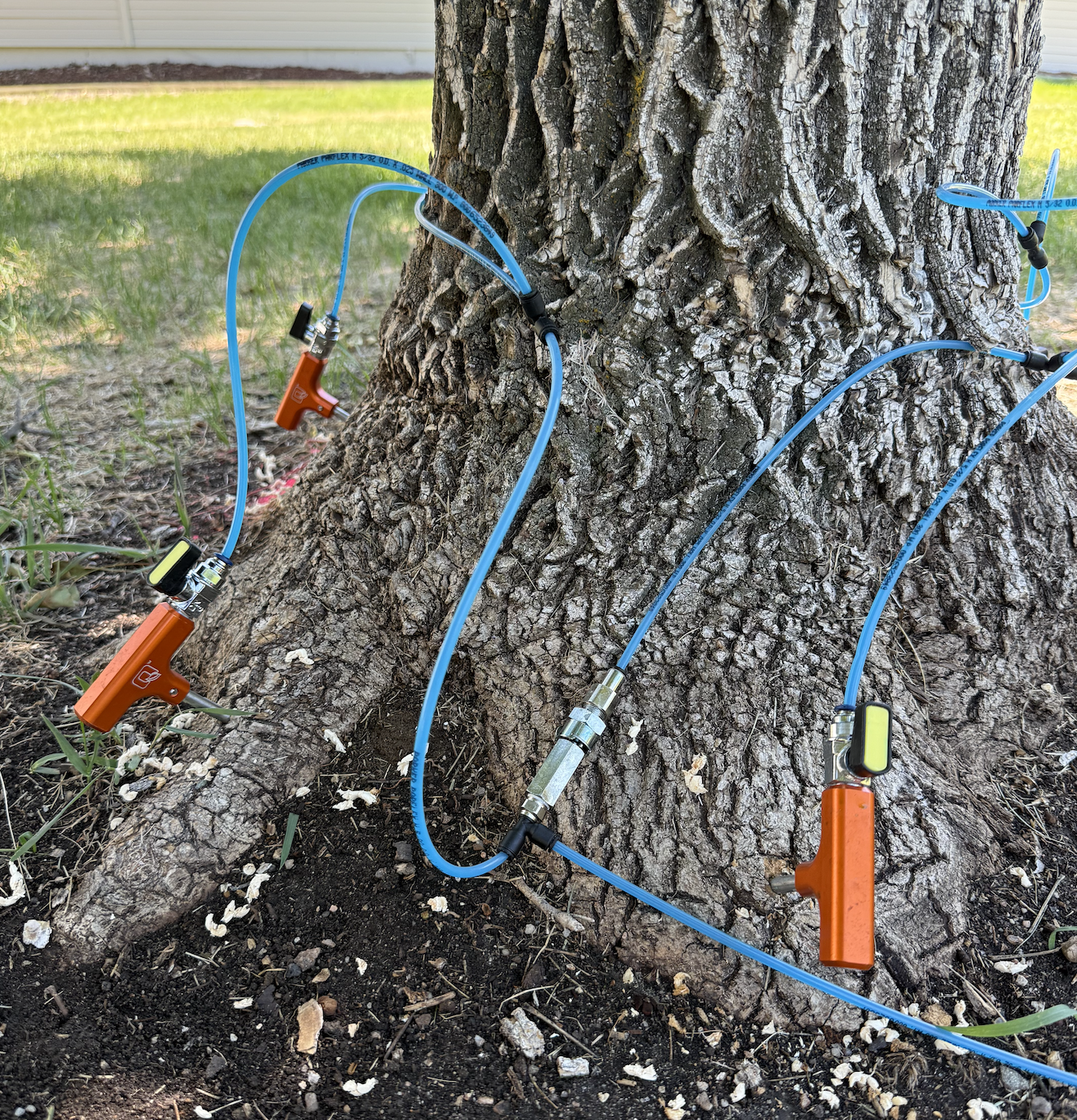
Tree injection is a highly targeted method of protecting trees from destructive beetles by delivering a precisely measured treatment directly into the tree’s vascular system. The material is introduced through a small injection point and is transported internally through the tree’s natural movement of water and nutrients, allowing the treatment to reach the tissues where beetles feed or establish. This approach minimizes environmental exposure because the treatment is contained within the tree rather than broadly applied to surrounding surfaces. When performed correctly with an appropriate product, dosage, injection site, and equipment, the process is designed to protect the tree while causing minimal physical impact. The small injection openings are carefully selected and managed to allow the tree’s natural healing processes to compartmentalize the wound.
The process can be compared to the human nervous system in the sense that the tree has an internal network responsible for transporting and distributing critical substances throughout its structure. Just as the nervous system allows signals to travel throughout the human body, a tree’s vascular system distributes water, nutrients, and injected treatment to different parts of the tree. The key difference is that the treatment is not acting on the tree’s vascular system itself; rather, that system serves as the delivery pathway. Once distributed, the treatment can interfere with the beetle’s ability to feed, survive, or reproduce while leaving the tree’s normal physiological processes largely unaffected. This targeted delivery is one of the primary advantages of injection-based protection compared with broad external spraying.
Tree Injection Advantages for Homeowners
Preventative Care: Tree injection provides years worth of proactive protection before beetles attack or establish themselves within a tree, helping preserve healthy, high-value trees.
Minimal Pesticide Use: Because the treatment is delivered directly into the tree, only a relatively small, precisely measured amount of product is needed, reducing unnecessary pesticide exposure to surrounding areas.
Maintain Insurability: Homeowners insurance in the foothills is expensive and no guarantee with the increase of wildfire exposure.
Efficacy of the Solution: Systemic treatments can move through the tree’s vascular system, placing the active ingredient where it can provide protection against susceptible beetles and helping defend the tree over an extended period.
Environmental Focus: Direct injection significantly limits off-target exposure compared with broad-area spraying, helping reduce contact with soil, vegetation, beneficial organisms, and other surrounding environmental resources.z


Request a Home Evaluation
Comprehensive Forestry Solutions
Grounded in empirical research and industry best practices, the organization delivers strategic guidance that strengthens both economic performance and environmental stewardship.